

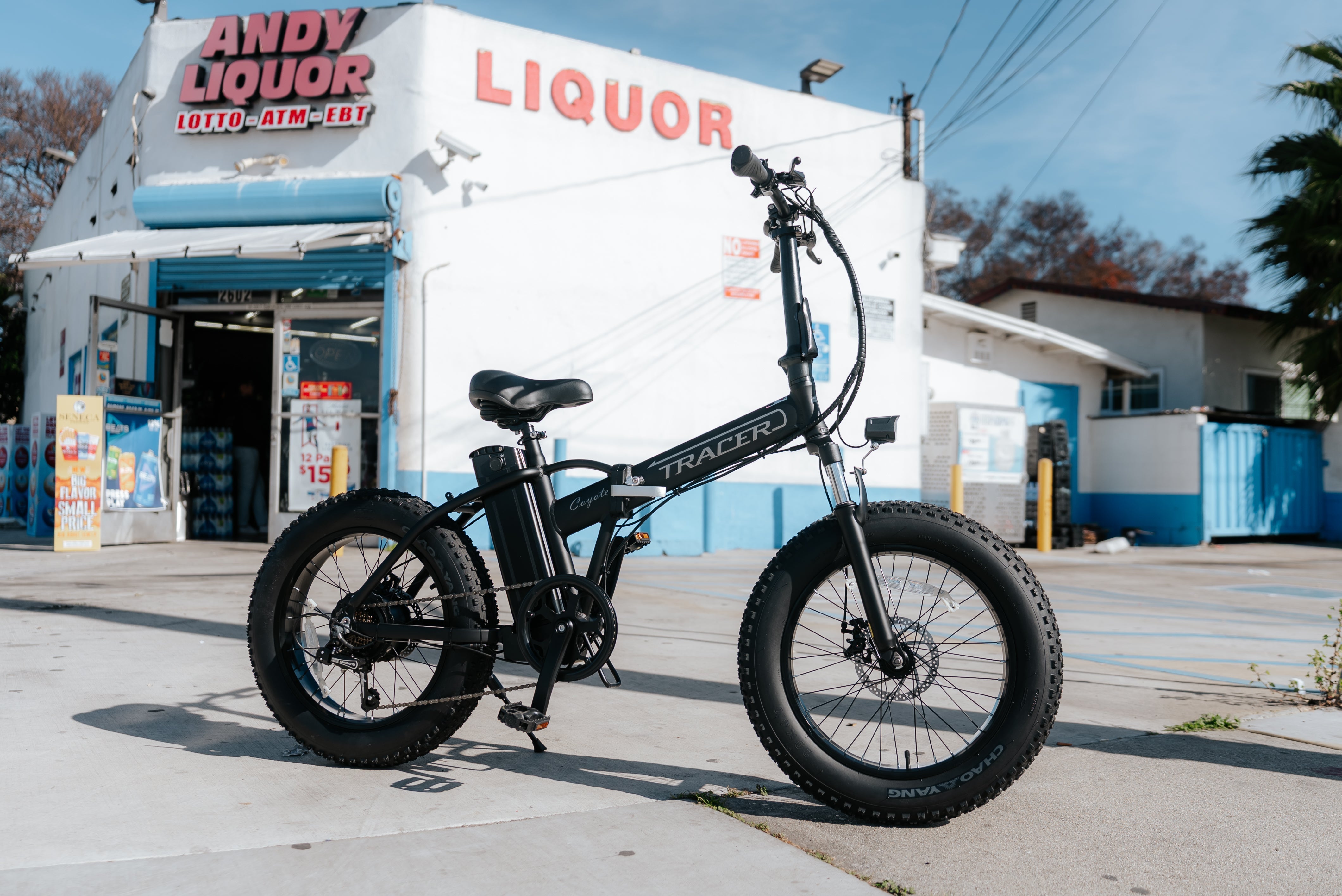
Electric bikes have quickly become a popular choice for commuting, leisure riding, and weekend adventures. From city streets to coastal paths and mixed terrain, e-bikes offer an excellent balance of comfort, efficiency, and versatility. As their popularity grows, many riders naturally ask: how can I make my electric bike ride faster?
Speed can make riding more fun, but it must be balanced with safety, legality, battery health, and long-term durability. Instead of risky modifications or illegal speed hacks, this guide focuses on practical, safe, and effective methods to improve your riding speed. By concentrating on hardware care, riding techniques, and mechanical optimization—without relying on app-based speed settings—you can enjoy faster, smoother, and more reliable rides.
1. Keep Your Battery and Motor Operating at Peak Efficiency
Battery Health Directly Affects Speed
The battery supplies power to the motor. Reduced voltage or poor connections can limit acceleration and top speed. To maintain strong battery performance:
- Fully charge the battery before long rides whenever possible
- Inspect terminals for dirt, corrosion, or looseness
- Ensure the battery is securely seated to avoid power interruptions
Even minor issues with voltage or connections can noticeably reduce motor performance.
Motor Condition Matters
A clean, well-maintained motor runs more efficiently and delivers smoother acceleration. Key tips include:
- Wipe dust and debris from the motor housing regularly
- Avoid high-pressure water directly on motor components or wiring
- Follow manufacturer-recommended inspection and service intervals
A motor under strain may still operate but won’t deliver its maximum potential.
Pro Tip: Maintaining your battery properly is key not only for consistent speed but also for long-term performance. For a deeper dive into battery care, check out How to Extend the Battery Life of Your E-Bike: 10 Proven Tips for Long-Lasting Power, which covers strategies for charging, storage, and overall maintenance to maximize riding efficiency.
2. Optimize Your Tires for Speed and Efficiency
Maintain Proper Tire Pressure
Tire pressure greatly affects rolling resistance.
- Under-inflated tires increase drag and reduce speed
- Over-inflated tires may feel fast but compromise grip and comfort
Check pressure before every ride and keep it within the recommended range.
Choose the Right Tire Width
Tire width impacts speed and handling:
- Narrow tires roll faster on smooth pavement
- Wider or fat tires provide more grip and stability but slightly reduce speed
Select tires that match the terrain you ride most often.
Replace Worn Tires
Old tires increase friction and reduce control. Regularly inspect for:
- Cracks or dry rot
- Uneven tread wear
- Flattened areas
New tires improve acceleration, handling, and overall speed.
Pro Tip: Proper tire pressure and selection dramatically affect your ride speed. For more guidance on how tire pressure influences safety, comfort, and range, see The Ultimate E-Bike Tire Pressure Guide for Safety, Comfort, and Range. Following these tips can help you maintain top efficiency while riding longer distances.
3. Reduce Weight and Improve Riding Posture
Minimize Extra Load
Even on an e-bike, additional weight affects efficiency. Consider:
- Removing unused racks or accessories
- Carrying only essentials
- Using lighter gear where possible
A lighter bike requires less motor output to maintain speed.
Optimize Riding Position
Aerodynamics significantly impact performance:
- Upright posture is comfortable but increases wind resistance
- Slight forward lean with bent elbows reduces drag
- Keep shoulders relaxed and core engaged
Small posture adjustments can noticeably improve cruising efficiency without extra effort.
4. Use Gearing Effectively
Gear Selection Influences Speed
Even with pedal assist, gears affect pedaling efficiency.
- Use higher gears on flat roads to maintain speed
- Use lower gears on hills or starts to reduce strain
Proper gear choice helps sustain speed without overexertion.
Maintain the Drivetrain
A worn or dirty drivetrain wastes energy.
- Clean and lubricate the chain regularly
- Check for stretched chains
- Replace worn cogs and chainrings
Efficient power transfer ensures more energy goes into forward motion.
5. Perform Regular Bike Maintenance
Keep the Bike Clean
Dirt increases friction and reduces speed. Regularly clean:
- Frame
- Wheels
- Drivetrain components
Avoid directing water into electrical parts.
Lubricate Moving Parts
Friction-free components perform better. Focus on:
- Chain
- Pedal bearings
- Wheel hubs
Reapply lubricant every 200–300 km, or sooner in wet conditions. Regular maintenance improves both speed and bike longevity.
6. Prioritize Safety at Higher Speeds
Understand Why Safety Matters
As speed increases, reaction times shorten and stopping distances grow. Even minor hazards—potholes, gravel, sudden stops—can become dangerous at higher speeds.
Follow Traffic Laws and Ride Responsibly
Obey local regulations and posted speed limits. Predictable riding helps drivers, pedestrians, and other cyclists anticipate your movements.
Wear Proper Protective Gear
- A certified helmet is essential
- Gloves improve grip and reduce hand fatigue
- Bright, reflective clothing enhances visibility
Adjust Riding Habits for Speed
- Maintain longer following distances
- Brake earlier and more gradually
- Slow down before turns or uneven surfaces
Safe riding allows you to enjoy higher speeds without unnecessary risk.
7. Choose Routes That Support Faster Riding
Road Surface and Terrain
Smooth roads reduce rolling resistance:
- Flat, paved roads support steady cruising
- Rough or broken surfaces increase vibration and energy loss
- Gravel, sand, or uneven pavement require slower speeds
Traffic Flow and Intersections
Frequent stops reduce average speed:
- Fewer traffic lights and stop signs help maintain momentum
- Light traffic allows smoother, safer acceleration
- Predictable traffic patterns reduce sudden braking
Bike-Friendly Infrastructure
- Bike lanes separate you from vehicles
- Multi-use paths allow consistent speed
- Wide shoulders provide space and flexibility
Plan Ahead
Knowing where hills, intersections, and surface changes occur allows smooth speed adjustments. Well-planned routes can increase average speed without risk.
8. Improve Aerodynamics and Riding Efficiency
Reduce Wind Resistance
Air resistance becomes significant at higher speeds. Reducing drag helps the motor and rider work efficiently.
Optimize Riding Posture
- Upright is comfortable but increases drag
- Slight forward lean reduces frontal area
- Bent elbows and relaxed shoulders improve control
Streamline Accessories
- Use compact racks or baskets
- Remove bulky bags that catch wind
- Keep bike profile minimal for higher efficiency
Build Rider Efficiency
- Smooth, consistent pedaling improves motor output
- Strong core and leg muscles support better posture
- Efficient cadence reduces fatigue
Small efficiency gains translate to higher sustained speeds over time.
Optimize Your Form: Even subtle improvements in riding posture and pedaling technique can make a big difference in speed and comfort. To learn more about how posture affects efficiency and which muscle groups are engaged during cycling, check out Which Body Parts Are Toned by Cycling? A Complete Guide to Muscles and Fitness Benefits. Strengthening these areas can improve both your speed and endurance on every ride.
9. Manage Battery Health for Consistent Speed
Maintain Optimal Charge Levels
- Avoid full discharges; recharge before 20%
- Partial charges preserve battery life
- Consistent charging ensures stable motor performance
Proper Storage
- Store in cool, dry areas
- Avoid prolonged heat or cold
- Maintain mid-level charge if unused for long periods
Check Connections
- Inspect terminals regularly
- Clean corrosion or dust
- Ensure secure seating of connectors
Healthy batteries and good connections support reliable speed and smoother rides.
Conclusion
There’s no single shortcut to making an electric bike faster. True performance comes from many small improvements working together: proper tire pressure, clean and lubricated drivetrain, efficient gear use, reduced weight and drag, and a healthy battery and motor.
By focusing on smart maintenance, mechanical optimization, and efficient riding habits, you can ride faster without resorting to risky or illegal modifications. A well-maintained e-bike not only feels faster but also delivers safer, smoother, and more enjoyable rides every time you hit the road.
FAQ
1: Can you make an electric bike go faster without modifying it?
Yes. Improving tire pressure, maintenance, gearing, and riding posture can increase speed without illegal modifications.
2: Does tire pressure affect electric bike speed?
Yes. Proper tire pressure reduces rolling resistance and helps maintain higher, more efficient speeds.
3: Why does my electric bike feel slower over time?
Common causes include low tire pressure, dirty drivetrain, worn tires, or battery performance decline.
4: Is it safe to ride an electric bike at higher speeds?
It can be safe with proper gear, visibility, legal speeds, and increased stopping distance.
5: Does riding posture make a difference in e-bike speed?
Yes. A slight forward lean reduces wind resistance and improves overall efficiency.
Share:
Why Are More Seniors Choosing Ebikes? Comfort, Freedom, and a Better Way to Keep Riding
Ride Together This Valentine’s Day: The Ultimate Guide to Cruiser Bikes for Couples